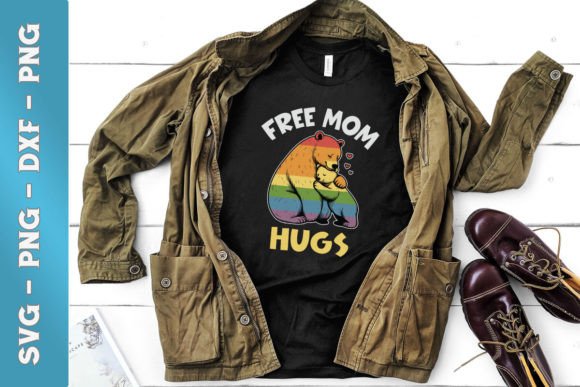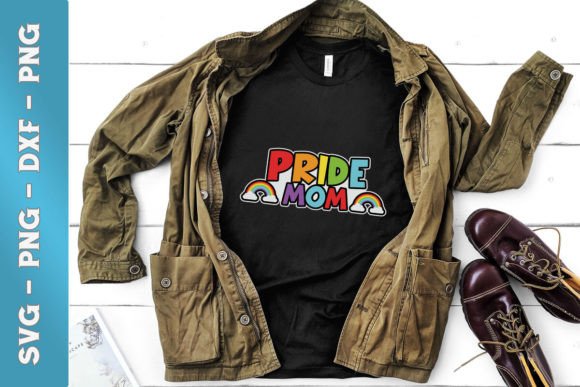
Free Mom Hugs LGBT SVG Review
As a designer who spends more time than I care to admit staring at stitch paths and debating thread color palettes, I approach every new digital asset with a mix of skepticism and hope. The market for LGBT Free Mom Hugs LGBT SVG files is saturated, but finding one that balances emotional resonance with technical viability for embroidery is rare. I recently pulled this design into my workflow to test its potential for real-world application, specifically targeting small business owners and crafters looking to add meaningful, high-quality pieces to their inventory. This isn’t just about cutting vinyl; it’s about how the design translates when stitched into fabric.
First Impressions and Visual Personality
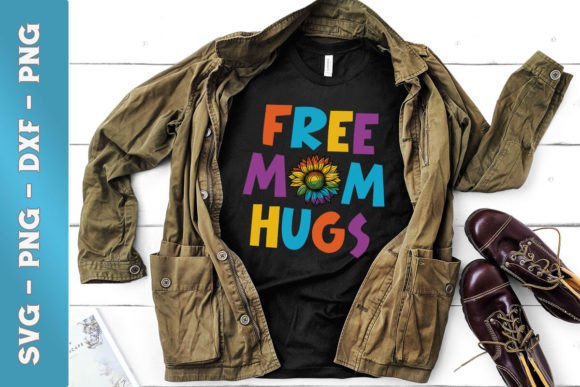
The moment you load the file, the mood is immediate: warm, inclusive, and proudly supportive. The "Free Mom Hugs" concept has been a staple in the queer community for years, offering a simple yet powerful gesture of acceptance. Visually, the layout relies on clean lines and bold typography, which is exactly what we want to see in an embroidery project. Unlike intricate floral patterns or complex pictorial designs that can get lost in dense stitching, this design allows the message to take center stage.
For an embroidery designer, the appeal lies in its versatility. It doesn’t scream for attention through complexity; it commands respect through clarity. The visual personality is friendly without being childish, making it suitable for a wide range of demographics. Whether you are creating a gift for a family member or a product for your Etsy seller shop, the aesthetic strikes a balance between casual comfort and intentional statement-making. It feels like something you would want to wear daily, not just put on for a specific event.
Real-World Application: From Screen to Stitch
I decided to put this machine embroidery design to the test by preparing a custom embroidered tote bag for a local boutique client. Tote bags are a classic entry point for Crafts enthusiasts, but they present unique challenges regarding fabric tension and stability. Using a sturdy canvas material, I hooped the design and began the stitching process. The result was striking. The satin stitch work on the lettering came out crisp, with no thread breaks or puckering, provided the correct stabilizer was used behind the canvas.
This design also shines on sweatshirt embroidery. Imagine a soft, heather-grey crewneck featuring this motif on the chest or back. The contrast between the textured fleece and the smooth embroidery threads creates a premium feel that customers associate with quality handmade products. I’ve seen many sellers struggle with designs that look good in digital mockups but fail in production. This file avoids that pitfall because its structural integrity holds up well against the bulkier nature of knit fabrics. It transforms a basic garment into a piece of wearable art that supports a cause while looking stylish.
Beyond apparel, consider its potential as an embroidered patch. Many small shop product lines feature patches that can be sewn onto jackets, backpacks, or hats. The compact nature of this design makes it ideal for smaller hoop sizes, allowing for detailed work without overwhelming the surface area. When attached to a denim jacket, it adds a layer of personalization that resonates deeply with buyers who value identity and expression.
Where Caution Is Required
While this design is robust, no digital embroidery file is universally perfect. There are specific scenarios where you need to exercise judgment. First, avoid placing this on highly textured fabrics like heavy boucle wool or loose-weave linen without significant stabilization. The needle penetration can distort the fabric, leading to misaligned stitches. Similarly, thin fabrics such as silk or lightweight rayon require a cut-away stabilizer to prevent the design from pulling the material together.
Another critical consideration is the hoop size. If you are working with a limited workspace or trying to fit this design onto a curved surface like a baseball cap, you may find that the width of the text exceeds standard cap hoops. In these cases, you might need to scale the design down, but be cautious. Reducing the size too much can compromise the readability of the letters, turning a clear message into a blurry abstract shape. Always inspect small details before committing to a full run.
Dark fabrics also demand careful thread colors selection. While white thread offers a stark, clean contrast, it can sometimes appear harsh against deep navy or black backgrounds. Consider using off-white, cream, or even a pastel pink to soften the look and enhance the "hug" theme. Testing on scrap fabric is non-negotiable here. You need to see how the light interacts with the thread sheen before producing hundreds of units for your commercial embroidery business.
Impact on Product Value and Brand Trust
In the world of handmade goods, presentation is everything. A well-executed embroidery project signals professionalism and care. When a customer receives a product featuring this design, they aren’t just buying a tote or a shirt; they are buying into a sentiment. This emotional connection drives higher perceived value. Buyers are often willing to pay a premium for items that reflect their values, especially when the execution is flawless.
For creative entrepreneurs, consistency is key. Using a design that maintains its clarity across different materials builds trust. If your finished product looks as sharp as the digital preview, customers are more likely to leave positive reviews and return for future purchases. This design supports brand consistency because it is neutral enough to fit various color palettes yet distinct enough to be recognizable. It works beautifully in printable mockups for online listings, giving potential buyers a realistic expectation of the final outcome.
Practical Designer Notes for Success
To ensure the best results with this graphics asset, follow these practical steps:
- Test on Scrap Fabric: Never skip this step. Different fabric blends react differently to tension and needle heat.
- Check Thread Contrast: Use black and white mockups to verify that the design remains legible regardless of the background color.
- Review Stitch Density: Ensure the density settings in your software match the fabric weight. Too dense, and you risk thread breakage; too sparse, and the fabric shows through.
- Confirm Licensing: Before selling any personalized gift or merchandise, double-check the license terms associated with the file. Commercial use rights vary, and protecting your business is paramount.
- Use Proper Stabilizer: For stretchy knits, a tear-away or cut-away stabilizer is essential to prevent distortion during the stitching process.
Ultimately, the LGBT Free Mom Hugs LGBT SVG is a strong contender for anyone looking to expand their catalog with meaningful, high-quality embroidery designs. It bridges the gap between political expression and everyday fashion, offering a versatile tool for makers who want to connect with their audience on a deeper level. By paying attention to the technical details and respecting the fabric’s properties, you can create finished products that are not only beautiful but also impactful.