Mom Mother s Day SVG File Review
As a designer who spends half my life staring at stitch paths and the other half worrying about client expectations, I don’t just buy digital files; I stress-test them. When I first pulled up Mom - Mother s Day SVG File, I wasn’t looking for pretty pictures. I was looking for viability. Could this actually work on a sweatshirt? Would it hold up in a commercial embroidery project? And most importantly, would a customer feel that warm, fuzzy connection when they saw it on a tote bag or a baby onesie?
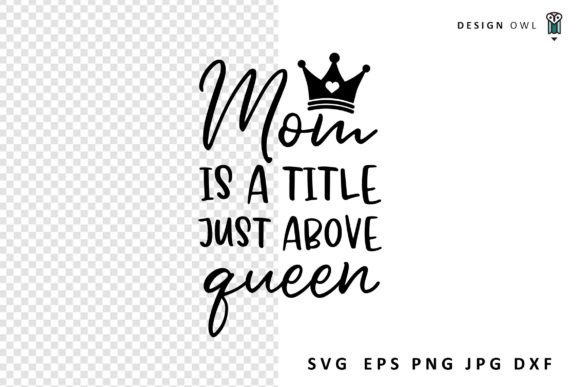
This review isn’t about telling you what the file looks like in a vacuum. It’s about how Mom is a title just above queen SVG File behaves when it hits the hoop. We are talking about real-world application for craft business owners, Etsy sellers, and makers who need reliable design assets that translate well from screen to fabric.
First Impressions: The Mood and Layout
The moment you load the file into your vector software, whether that’s Illustrator, Inkscape, or even Photoshop, the hierarchy is clear. The phrase "Mom" sits prominently, with the supporting text acting as a confident subtitle. This isn’t cluttered. It isn’t trying too hard. For an embroidery designer, simplicity is often the hardest thing to achieve because every pixel has to become a stitch.
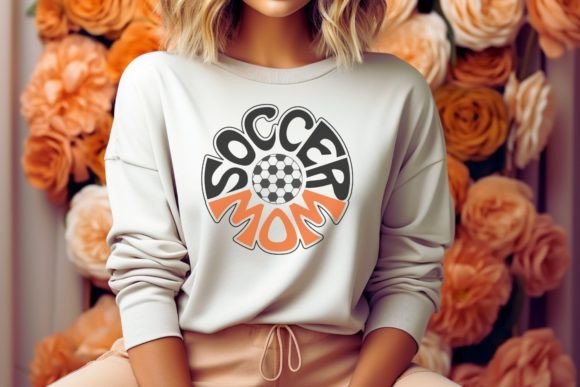
The visual personality here is bold but affectionate. It screams "personalized gift." The layout feels balanced, which means it will sit nicely centered on a chest area of a sweatshirt embroidery piece or perfectly aligned on the front panel of a cap. There is no wasted space, which is crucial when you are calculating how much thread you will use and how long the machine will run. If you are selling handmade products, this kind of clean composition helps maintain brand consistency. It looks professional, not amateurish.
Real-World Application: Where This Design Shines
I ran this design through several mental scenarios to see where it fits best. Here is where Mom - Mother s Day SVG File truly earns its keep:
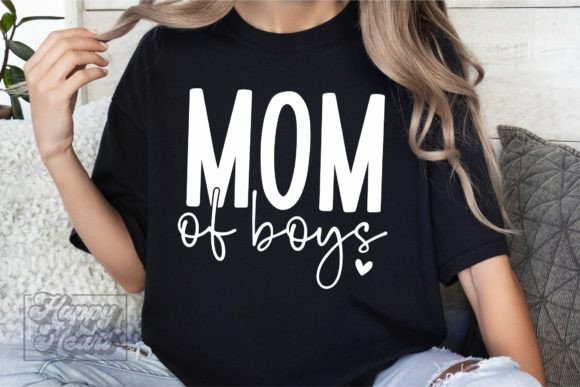
- Custom Apparel & Sweatshirts: This is the bread and butter of the craft business. The text-based nature of the design makes it ideal for custom apparel. On a heather grey or soft black hoodie, the contrast potential is high. It works beautifully as a standalone chest print or can be paired with smaller floral accents if your machine embroidery design library allows for layering.
- Tote Bags & Canvas Goods: A tote bag design needs to be legible from a distance. Because this file includes high-resolution formats like JPG and PNG alongside the vector data, you can preview how it looks on textured canvas. It holds its shape well on stiff fabrics, making it perfect for grocery totes, beach bags, or reusable shopping bags marketed toward moms.
- Baby Embroidery & Nursery Decor: While the tone is empowering ("Queen"), the word "Mom" makes it inherently maternal. It translates surprisingly well to baby embroidery projects, such as burp cloths, swaddle blankets, or nursery wall art. The softness of the message balances the boldness of the typography.
- Holiday Embroidery & Gifts: Mother’s Day is a massive sales window. This file is ready to go. Whether you are making holiday embroidery gifts for grandmothers, new moms, or wives, the theme is universal. It fits seamlessly into a lineup of personalized gifts that drive revenue in spring.
The Technical Reality: Stitch Density and Fabric Choice
Here is where we get practical. Not all designs stitch out equally well, and understanding the limitations of a text-heavy graphic is key to avoiding unhappy customers. Since this is primarily a text-based graphics element, the success of the final product relies heavily on your setup.
When using this as an embroidery file, pay close attention to stitch density. Text designs can sometimes suffer from thread breaks if the density is too high, especially with thinner threads. Conversely, if the density is too low, the underlying fabric might show through, ruining the crispness of the letters. I recommend checking the digitization (if available) or testing the spacing between characters carefully.
Fabric texture plays a huge role here. On smooth cottons or poly-cotton blends, the lines will be sharp. However, on highly textured fabrics like heavy wool or loose-weave linen, the details might get lost. If you are working with textured fabrics, consider using a stabilizer that adds stiffness to the back of the garment to prevent puckering. Also, avoid using this on stretchy knits without proper hooping techniques, as the tension can distort the lettering.
Where to Be Careful
There are specific scenarios where this design requires extra caution:
- Small Hoop Sizes: If you are shrinking this down to fit a tiny 4x4 inch hoop, inspect the small details. Tiny lettering can merge together during stitching, turning into a blob. Always test at the final size before committing to production.
- Dense Stitch Areas: If the design includes fill stitches around the text, ensure your machine can handle the thickness. Thick layers can cause needle deflection, leading to misalignment.
- Dark Fabrics: If you are embroidering on dark fabric, the choice of thread colors becomes critical. White or light metallic threads may require multiple passes, increasing the risk of thread breakage. Test contrast early.
- Curved Surfaces: Applying this to caps or curved hat panels requires precise alignment. The symmetry of the text must match the curve of the visor or crown to look intentional.
Visual Appeal and Customer Trust
In the world of Etsy seller businesses and craft business marketing, presentation is everything. A well-executed finished product builds trust. When a customer sees a clean, well-stitched "Mom" design on a high-quality tote bag, they perceive value. They assume the maker cares about quality.
This design supports that perception. It doesn’t look cheap or overly complex. It looks like a thoughtful statement piece. For commercial embroidery clients, this reliability is gold. You can promise them a consistent look across multiple orders because the design elements are straightforward and forgiving. It reduces the margin for error in your workflow.
Furthermore, the inclusion of multiple file types (SVG, EPS, DXF) means you aren’t locked into one workflow. You can use the SVG for cutting vinyl if you’re doing hybrid crafts, or the DXF for laser engraving on wood signs. This versatility adds value to the purchase, making it a smarter investment for digital product sellers who want to maximize the utility of their inventory.
Practical Designer Notes for Success
Before you start churning out small shop products, follow these steps to ensure the best outcome:
- Test on Scrap Fabric: Never skip this step. Use the same fabric and stabilizer combination you plan to use for the final product. This reveals puckering issues or color mismatches before you ruin a customer’s gift.
- Check Thread Color Contrast: Run the design in black and white mockups to check contrast. Ensure the thread stands out against the fabric texture.
- Inspect Small Details: Zoom in on the corners of the letters. Are there any jagged edges that might not stitch cleanly? If so, you may need to adjust the settings or add a slight border.
- Confirm Licensing: As a creative entrepreneur, you must know your rights. Check the license agreement included with the file. Does it allow for commercial use of finished goods? Can you sell unlimited quantities? Clarifying this protects your business from legal issues.
- Use Proper Stabilizer: Depending on the fabric, you might need cut-away stabilizer for durability, especially for items that will undergo frequent washing. This ensures the embroidery project lasts as long as the garment itself.
Final Verdict
Mom - Mother s Day SVG File is a solid, versatile addition to any design assets collection. It strikes the right balance between emotional resonance and design simplicity. It works well for apparel decorators, makers, and anyone looking to capitalize on the gifting season without reinventing the wheel.
It is not a complex artistic masterpiece, but it doesn’t need to be. Its strength lies in its clarity and broad appeal. If you treat it with the technical care it deserves—checking densities, choosing the right fabrics, and testing thoroughly—you will create handmade product lines that resonate with buyers and stand up to the wear and tear of daily life. For the embroidery designer seeking efficiency and impact, this is a worthy tool in your kit.